
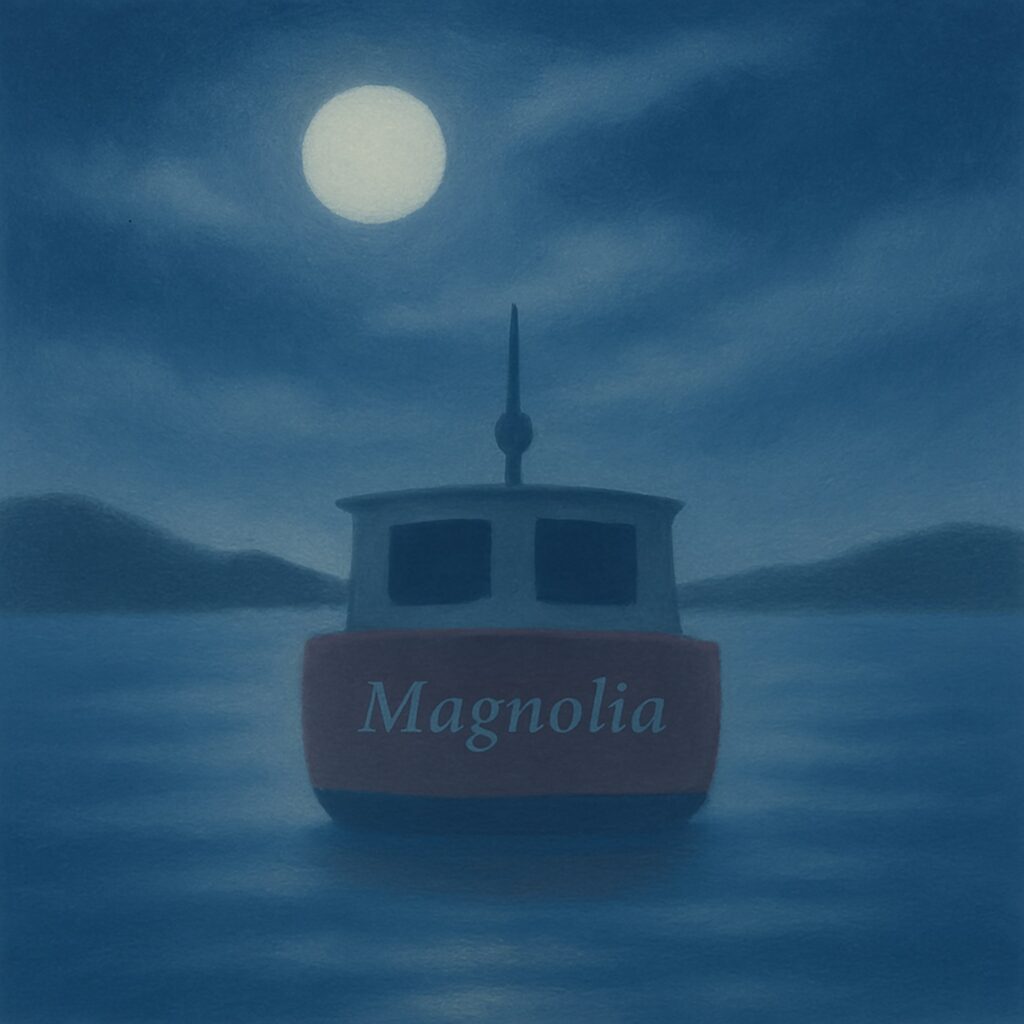
“Magnolia” by Electric Elm opens with a grounded, roots-oriented atmosphere that feels immediately natural. The instrumentation leans on a blend of electric and folk rock textures, with guitars carrying the melodic weight while bass and drums hold a steady pulse beneath them. The guitar tones feel warm and slightly weathered rather than overly polished, which gives the track a sense of character. Each element settles into its place without competing for attention, allowing the instrumental palette to feel balanced and purposeful.
As the song unfolds, the composition reveals a thoughtful structure that favors clarity over complexity. The verses move with a reflective pacing, gradually guiding the listener toward a chorus that feels earned rather than overstated. The arrangement avoids unnecessary embellishment, instead letting the core progression and melody carry the momentum. That restraint works in the song’s favor. By keeping the structure focused, the track maintains a steady emotional through line that feels cohesive from beginning to end.
Production choices support that clarity. The mix keeps the instruments distinct while still allowing them to blend into a unified sound. Vocals sit comfortably in the center, framed by guitars and rhythm rather than overshadowed by them. The recording has a natural warmth that suggests a preference for organic tones over heavy studio processing. As a result, the track retains a sense of immediacy that suits its roots-driven style. The single was released in February 2026 and runs just over three and a half minutes, keeping the experience concise and focused.
Imagining the song in a live setting is easy because of how naturally the arrangement breathes. The steady groove and guitar-driven core would translate well to a stage environment, leaving space for subtle variation and interaction between musicians. That openness hints at a performance that could evolve from night to night while still preserving the identity of the song.
Lyrically, “Magnolia” carries a reflective tone that aligns with the broader songwriting approach associated with Chris Bousquet and his American roots-influenced projects. The writing feels grounded in observation rather than spectacle, allowing the story to unfold through imagery and quiet reflection. That understated approach gives the song a lasting presence that lingers after the final notes fade.