
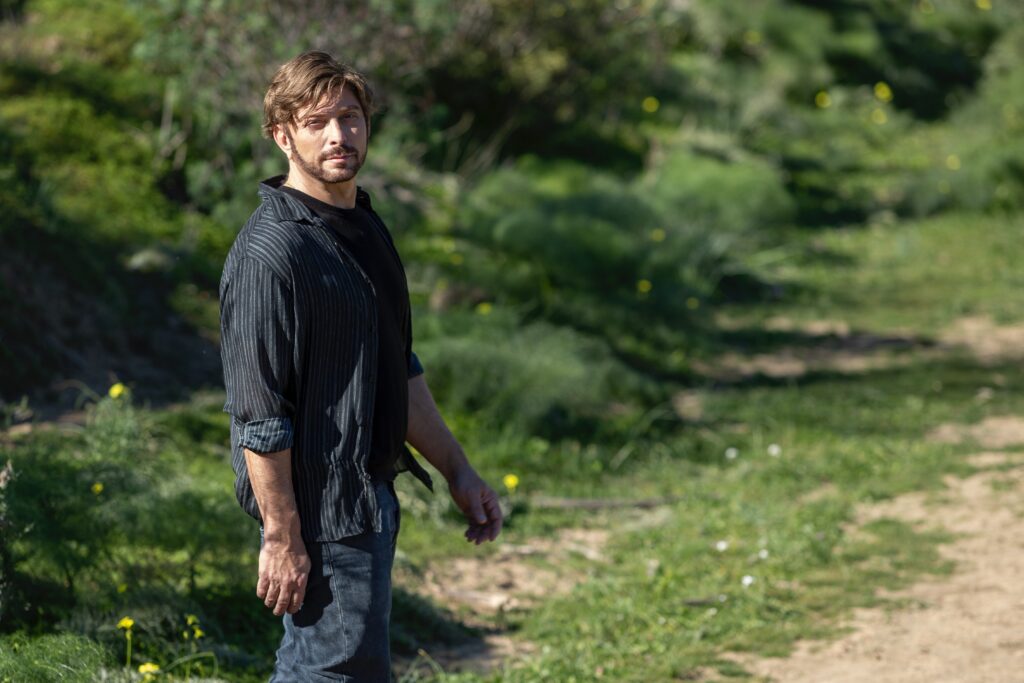
Giuseppe Cucè’s 21 grammi unfolds as a carefully sequenced album that rewards attentive listening, with each song functioning as a distinct chapter within a larger emotional arc. Rather than presenting isolated moments, the record feels deliberately paced, inviting reflection through its analog warmth and cinematic sensibility.
The opening track, È tutto così vero, establishes the album’s tonal identity through Latin inflected rhythms and expansive instrumentation. Its lively pulse contrasts with the introspective core, setting a balance between movement and contemplation. Ventuno follows by narrowing the focus. Built on restraint and space, it slows the tempo and draws attention inward, allowing vulnerability to surface through subtle arrangement choices.
Fragile equilibrio introduces a sense of lift, using piano, rhythm, and orchestral accents to explore instability without losing momentum. The composition moves with confidence, suggesting tension held in balance rather than resolved. That emotional thread deepens on La mia dea, where piano led balladry and orchestral detail create intimacy. The song lingers on devotion and distance, carried by a vocal performance that favors nuance over force.
At the album’s center, Cuore d’inverno expands the cinematic scope. Strings and measured dynamics give the track a feeling of endurance, as if holding steady through emotional cold. Tutto quello che vuoi shifts the mood with lighter rhythmic energy, introducing a playful contrast while maintaining cohesion within the album’s palette.
Una notte infinita returns to stillness, shaped by a nocturnal atmosphere and patient pacing. The arrangement allows silence and texture to work together, reinforcing a sense of suspended time. Di estate non si muore closes the Italian language arc with warmth and groove, offering release through rhythm while retaining the album’s reflective tone.
The Spanish adaptation, El mundo es verdadero, completes the record by reframing its themes through a different linguistic lens. Its familiar structure gains new resonance, emphasizing the universality of the album’s concerns without altering its emotional core.
Taken as a whole, 21 grammi is a unified body of work that values continuity, real instrumentation, and emotional clarity. Each song contributes a distinct shade to the narrative, yet none feels disconnected. Giuseppe Cucè succeeds in crafting an album that prioritizes presence and intention, offering a listening experience that unfolds slowly and leaves a lasting impression.